Take the two-minute skin age test
Ten questions about the habits with the strongest evidence for visible skin ageing: sun, sunscreen, smoking, sleep, stress, alcohol, sugar, retinoids and antioxidants. It takes two minutes and gives you a direction, not a number. For an appearance-based estimate from an actual photo, that is what Glow Age is for.
What 'skin age' actually means
When a product, a quiz or an app talks about skin age, it means how old the skin looks, judged against typical patterns of texture, tone evenness, firmness cues and lines at different ages. It is not a measurement of how old your cells are. Biological ageing happens in every tissue and is studied with lab markers; visible skin ageing is what a mirror, a camera or a dermatologist sees, and it is heavily shaped by habits.
That distinction is good news. You cannot change your chronological age, but visible skin age moves in response to sun protection, smoking, sleep and a handful of ingredients, over months rather than years. The quiz above scores the habits; the sections below explain why each one matters and how a photo-based estimate differs.
The habits that visibly age skin, in order of evidence
- Unprotected UV exposure. Photoageing is the dominant external cause of lines, uneven tone, loss of firmness and dark spots. UVA passes through glass and cloud, which is why daily use matters more than beach use. See the sunscreen guide and the sun damage scan.
- Smoking. Narrows blood vessels, degrades collagen and elastin and is consistently associated with earlier and deeper wrinkling, independent of sun.
- Sleep. Short or poor sleep is associated with more visible signs of ageing and slower recovery from environmental stress; the Beauty Sleep Score exists because it shows in a photo.
- Alcohol and a high-sugar diet. Smaller effects, but dehydration, flushing and glycation of collagen are all visible over time; the diet and skin analysis covers the evidence.
- Chronic stress. Harder to isolate, but linked to sleep, inflammation and habits that compound the others.
On the other side of the ledger, two things reliably make skin look younger over time: a retinoid used consistently for a year or more (see the retinol guide) and a morning antioxidant such as vitamin C under sunscreen. That is why the quiz subtracts points for them.
Quiz vs photo: two different estimates
| Criteria | Lifestyle quiz (this page) | Photo estimate (Glow Age) |
|---|---|---|
| What it reads | Habits with evidence for visible ageing | Texture, tone evenness and line visibility in a selfie |
| Output | A direction: younger, about, older | An estimated age in years |
| Strength | Points at what to change | Shows what is visible now and tracks change |
| Weakness | Cannot see your skin | Cannot see your habits; sensitive to lighting |
| Best use | Motivation and priorities | A trend under consistent light over months |
They complement each other. If the quiz says your habits push older and the photo agrees, you know where to start. If the quiz says younger and the photo says older, lighting is the first suspect, genetics the second, and a dermatologist the right person to ask about anything that worries you.
How a selfie-based skin age estimate works
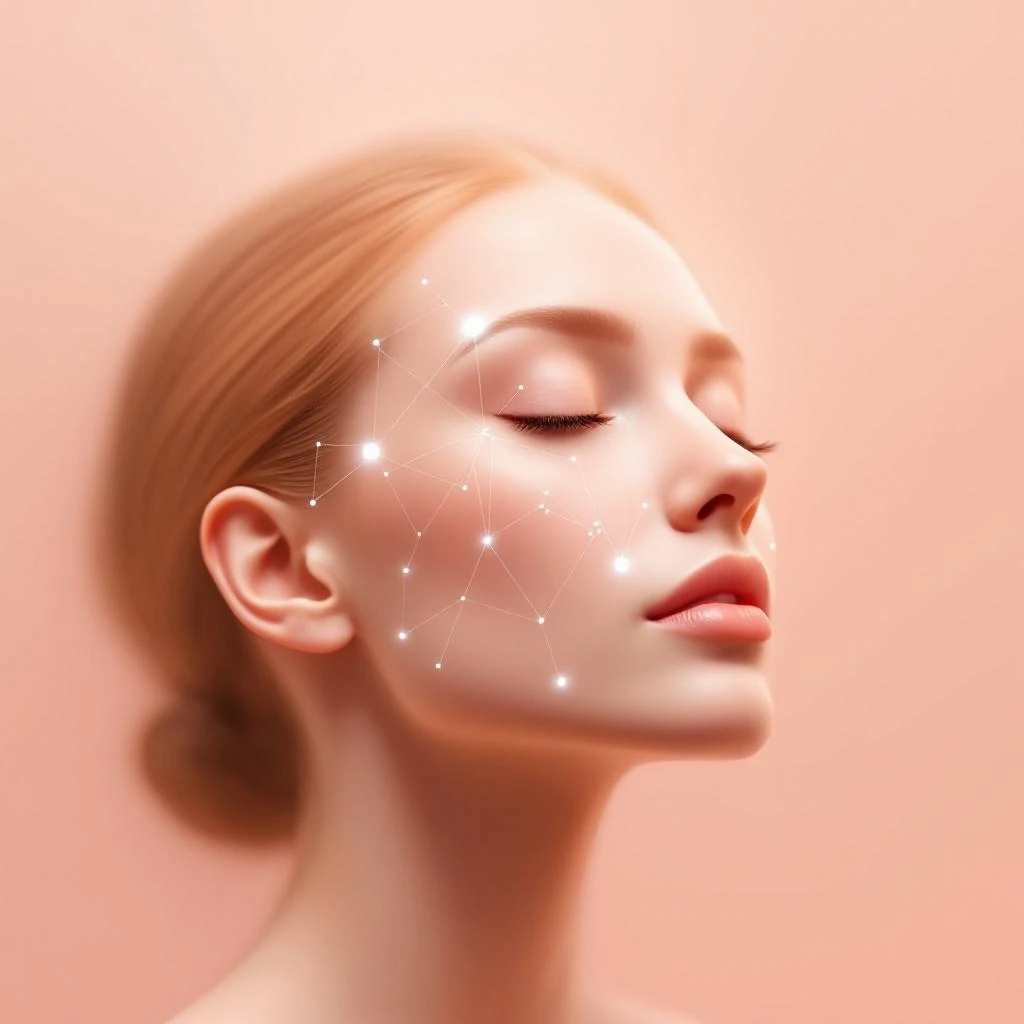
Beeuty's Glow Age runs on the same pipeline as the rest of the analysis: a guided selfie, the face divided into zones, six visible signals per zone. For the age estimate it weights texture, tone evenness and line visibility, the three that shift most predictably with age, and largely ignores blemishes, which is why a breakout can lower your skin score without moving Glow Age. The full pipeline is on the methodology page.
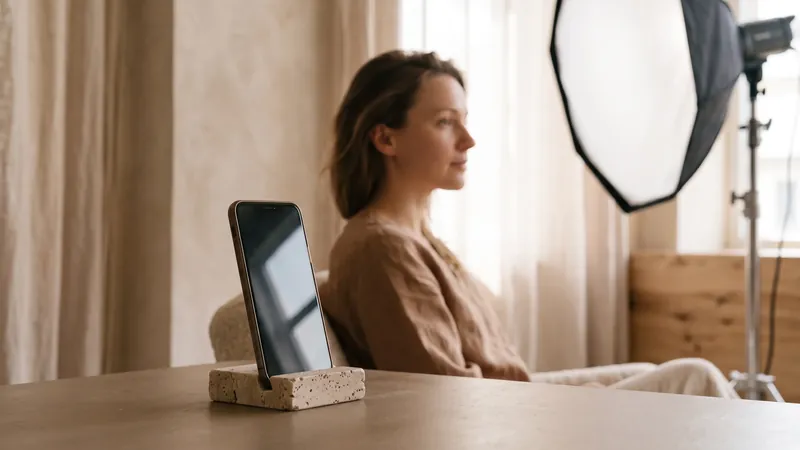
Three honest caveats. It estimates appearance in one photo, so warm bulbs, overhead light and distance all move it; take it by a window, bare-faced, at the same time of day. It is calibrated to be stable for you, not to compare you with anyone else. And it is a cosmetic estimate, not a medical assessment; how accurate AI skin analysis is explains the limits of any photo-based read.
What to do with your result
- Younger or about your age: protect what you have. Daily SPF, a retinoid two or three nights a week if you are not already using one, and a scan every month or two to confirm the trend is flat.
- Older: fix in order of evidence. Sunscreen every single day for the next eight weeks before changing anything else, then add a retinoid at low strength, then look at sleep. Rescan under the same light at week 8 and week 16; lines and tone respond slowly, so judge the direction, not the number. The 30s and 40s routine guides lay out the steps by decade.
- Any result with heavy sun history: book a skin check with a dermatologist. Sun damage is a health question as well as an appearance one, and that is outside what a quiz or an app can assess.
Sources
- Sunscreen FAQs, American Academy of Dermatology
- Does poor sleep quality affect skin ageing? (Oyetakin-White et al., 2015), Clinical and Experimental Dermatology via PubMed
- Retinoid or retinol?, American Academy of Dermatology
Now try the selfie version
Glow Age estimates how old your skin looks from texture, tone and lines in one guided selfie, and tracks it over time. Free on iPhone and iPad.